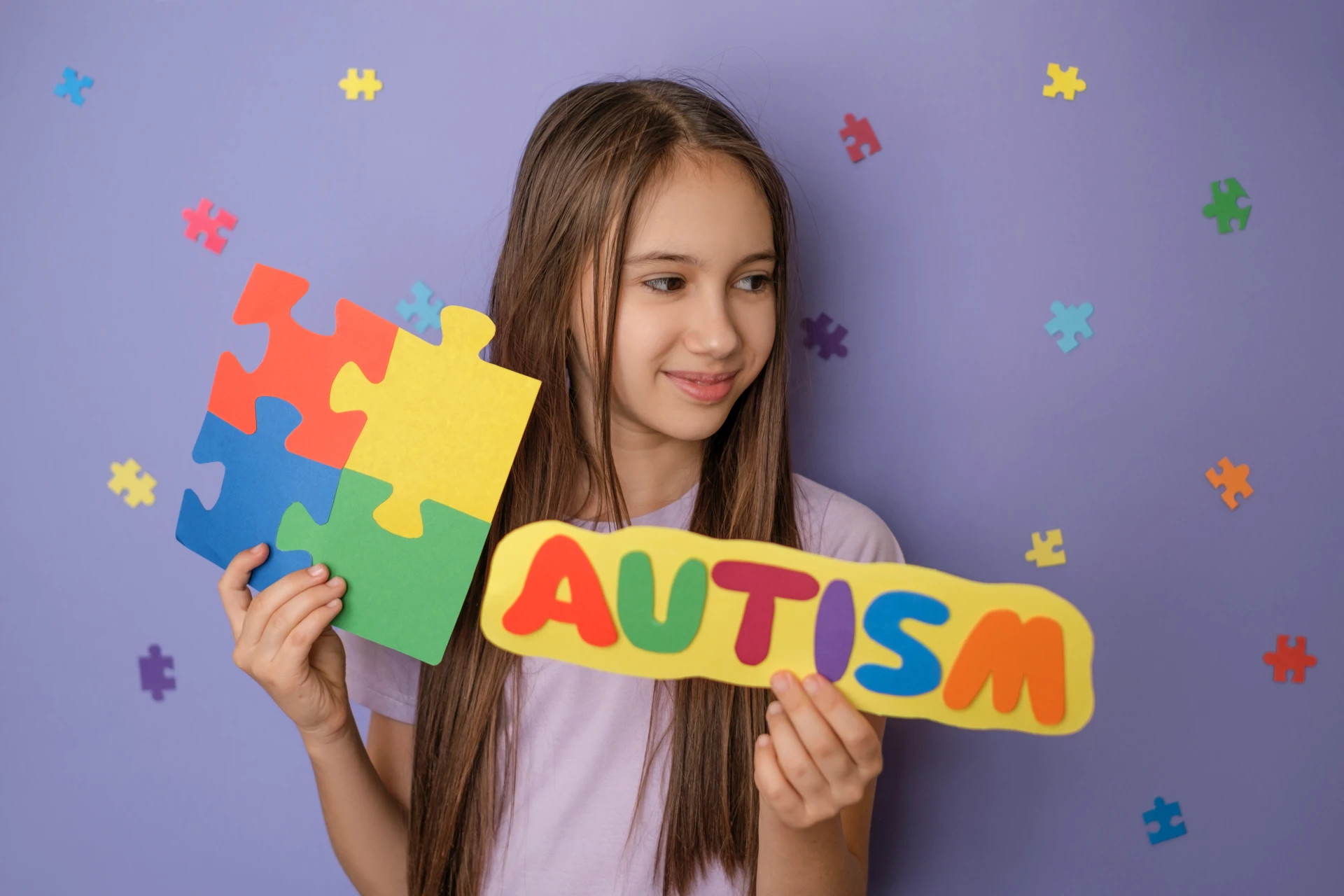

Autism can sometimes look different in girls, which may make it harder to recognize early. Many autistic girls learn to copy social behaviours, imitate expressions, or hide difficulties in order to fit in. As a result, their support needs may be overlooked at home, in school, or even during early assessments.
In India, awareness of autism is growing, but girls may still be identified later than boys. Some may appear quiet, highly disciplined, shy, or deeply focused on particular interests rather than showing behaviours commonly associated with autism. They may also experience challenges with sensory sensitivity, communication, friendships, changes in routine, or emotional regulation.
Early recognition can help families seek appropriate professional assessment and support. Teachers, parents, and healthcare professionals should look beyond stereotypes and understand that autism is a spectrum, and every child may experience it differently.

Greater awareness about autism in girls can help create more inclusive schools, supportive families, and communities where autistic girls are understood for who they are, rather than expected to simply “fit in.”